


Jai Respi

Desktop Banner
Mobile Banner

How inhalers help Lungs?​

Inhaling medicines through the lungs has been a practice for thousands of years, with its origins dating back to ancient India around 4000 years ago. In the 19th and early 20th centuries, inhalers were developed.
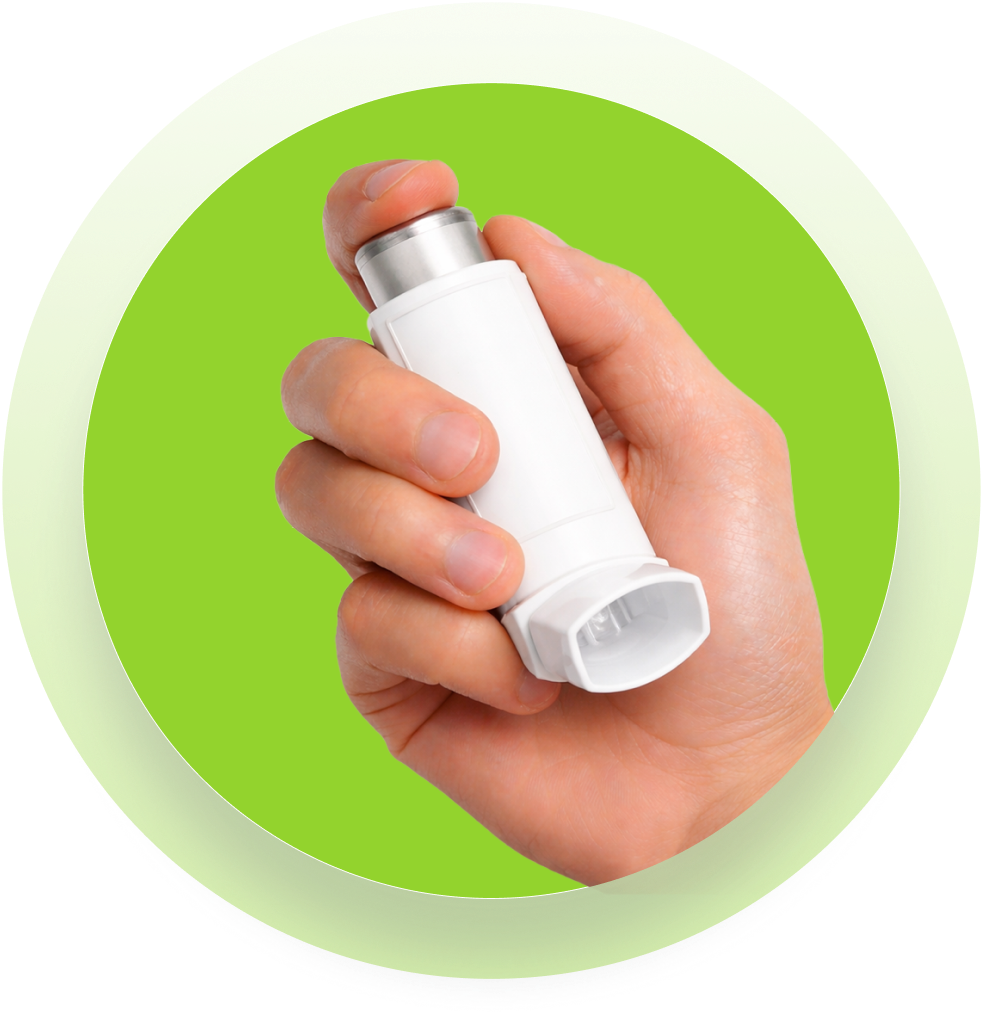
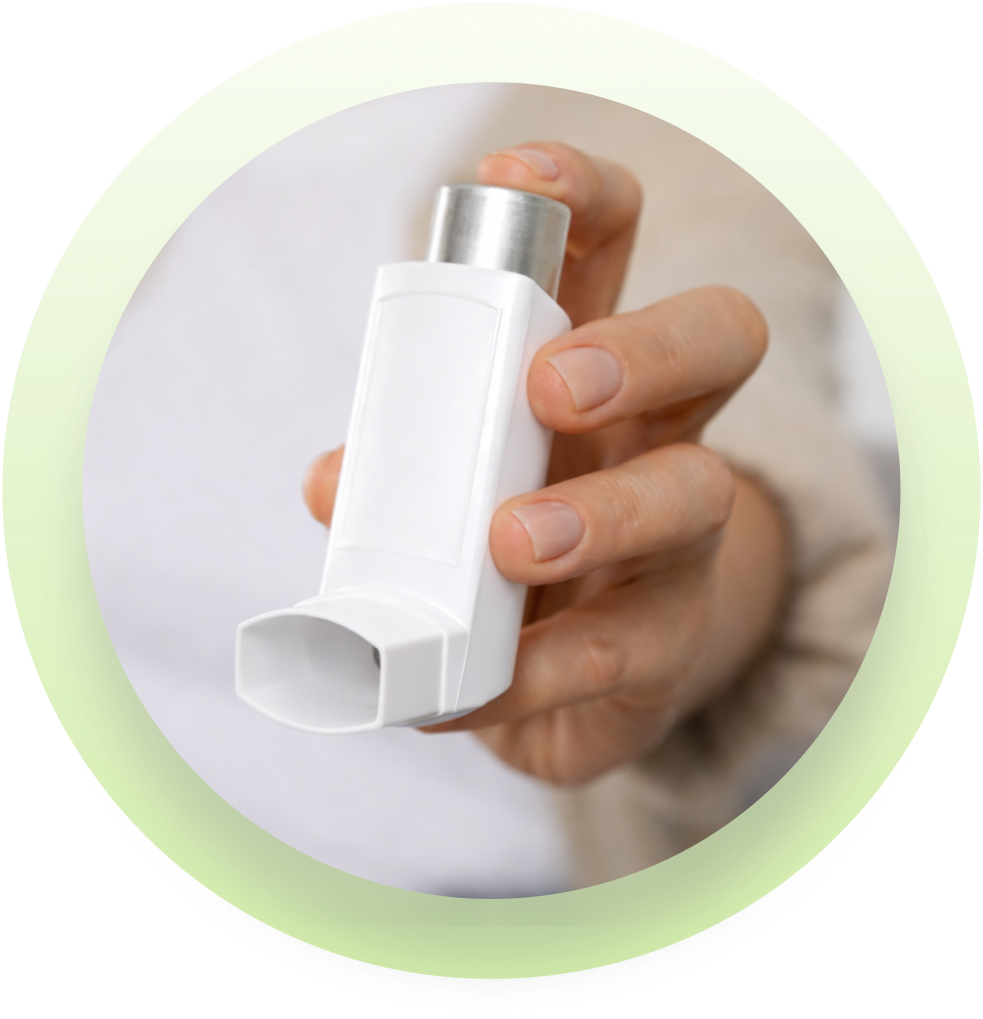
Inhalers are small, portable devices designed for you to breathe in medicine through your mouth, delivering it directly to your lungs.
There are different types of inhalers, such as metered-dose, dry powder, and breath-actuated inhalers. While they are often used to treat Asthma and Chronic Obstructive Pulmonary Disease (COPD), healthcare providers may also prescribe them for other medical conditions. Common inhaled medications include bronchodilators and corticosteroids.

Why use inhalers?

Inhalers are essential for managing Asthma and COPD effectively. They are a great way to deliver medicine right where it’s needed most – your airways and lungs. This targeted approach means less medicine is wasted, lower drug doses are needed, and there are fewer side effects.

Types of Inhalers

Inhalers come in many varieties, with over 20 different options available. These include nebulisers, metered-dose inhalers (pMDIS) used with or without a spacer and dry powder inhalers (DPIs).
There are three main categories of inhalers based on how they function.

Pressurized Metered-Dose Inhalers
Expandable Text
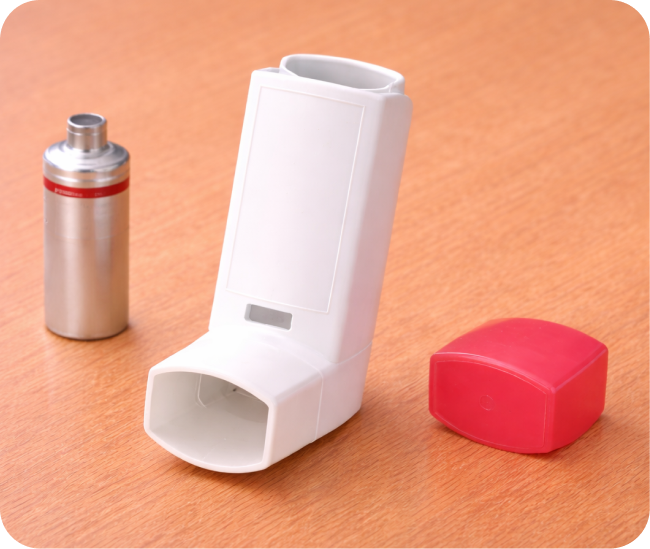
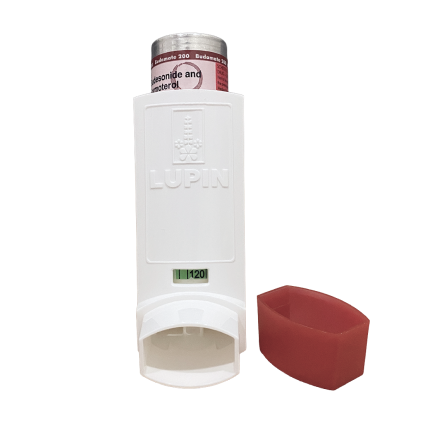
These are traditional inhalers for treating lung conditions like Asthma and COPD. They contain medicine mixed with a propellant, which is sprayed when you press a button.
Ultrasonic nebulisers use a piezoelectric crystal vibrating at high frequencies to create an aerosol.

Using pMDIs can be tricky as it requires good hand-to-mouth coordination. To make it easier, a spacer, a tube-like attachment, can be added. It helps deliver the medication with less coordination, making it useful for kids, people with severe breathing difficulties, or those with cognitive issues.

Dry Powder Inhalers

Expandable Text
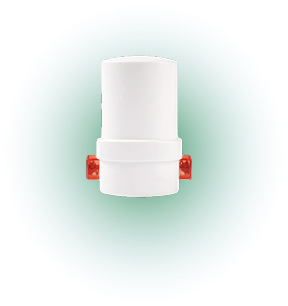
DPIs hold medicine in a powder form inside capsules or containers. When you're ready to use them, you inhale the powder with a quick, deep breath.
DPIs don't need a propellant to release the medicine, which is different from MDIs. DPIs come in various types, including single-dose, multi-dose, or bulk storage systems.

Keep your inhaler clean for optimal use

Cleaning your inhaler once a week is a smart practice, even if you can’t see any medicine buildup. This keeps your inhaler from getting clogged and ensures it works properly. The key rule is to never wash or submerge the metal canister in water; only the plastic parts should be cleaned.
While your inhaler will include specific cleaning instructions, here are the main steps to clean it.

Cleaning the MDI/pMDIs

To keep your MDI/pMDI in good working order and avoid medication buildup or blockages, regular cleaning is important. Most manufacturers recommend cleaning the mouthpiece at least once a week, so be sure to read your inhaler’s instructions carefully.

Remove the medication canister and cap from the mouthpiece. Do not wash the canister or immerse it in water.
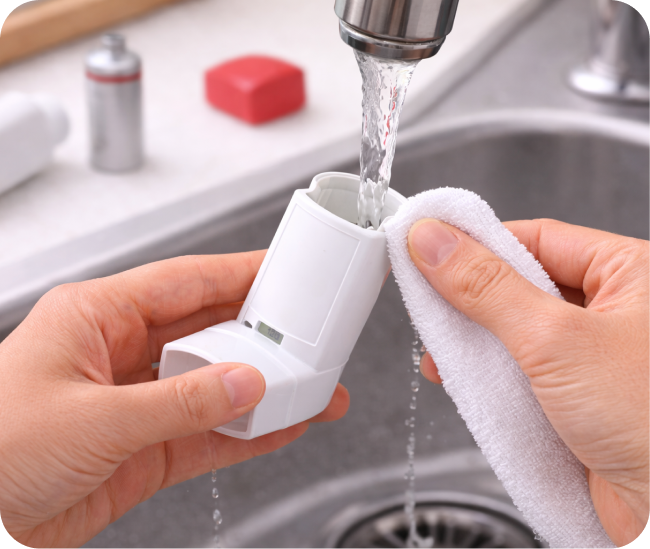
Run warm tap water through both ends of the plastic mouthpiece for 30 to 60 seconds. Use a soft cloth to remove any medication residue around the pinhole
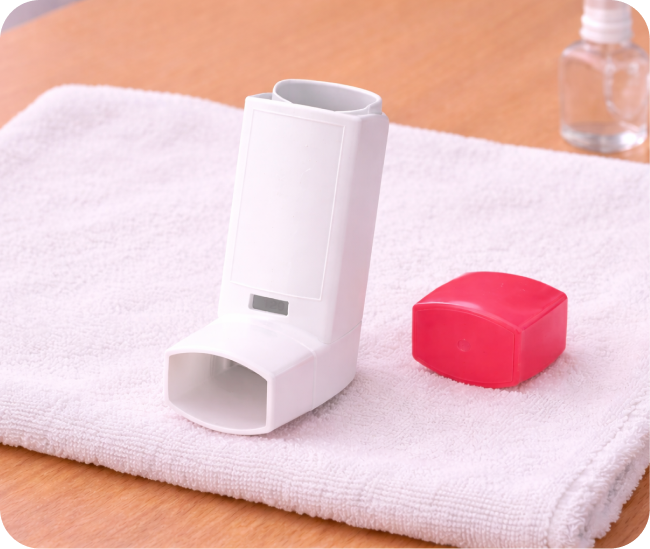
Remove excess water and let the mouthpiece air dry completely, preferably overnight.
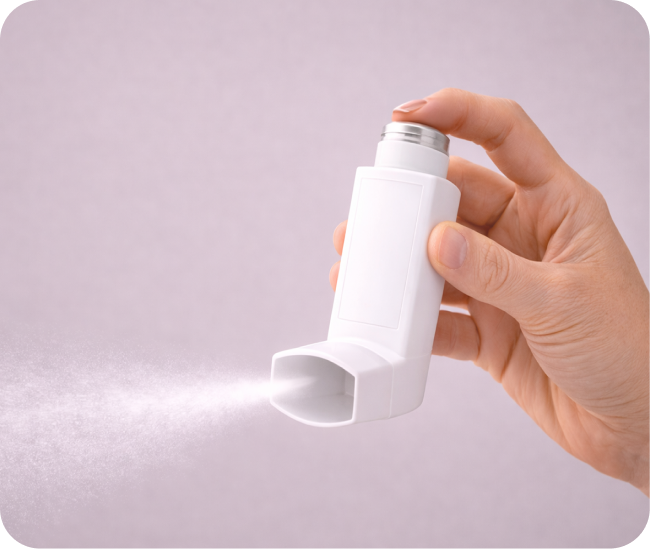
If you need to use the inhaler before it's completely dry, shake off any excess water, reattach the canister, and test spray it twice away from your face.
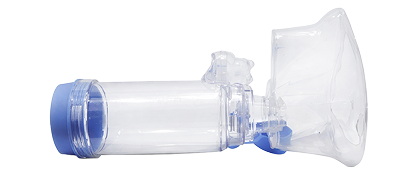
Cleaning the spacer

Spacers should be cleaned every one to two weeks. Disassemble the spacer and wash it by hand, never in the dishwasher. You can use cold or lukewarm tap water with a bit of regular household ionic detergent. While it's still submerged, gently wipe the spacer parts with a soft cloth, avoiding scrubbing. After cleaning, let them soak for 15 minutes, then remove them from the water, place them on a clean towel to air dry, preferably overnight. Make sure any valves are not stuck before reassembling.
Cleaning the DPI

Most DPIs should not be washed with soap and water. Instead, clean the mouthpiece with a dry cloth. Refer to your inhaler's instructions for more details on cleaning.
When to change the Inhaler?

The doctor will inform patients and help them understand when the inhaler is empty, emphasizing the importance of not exceeding the manufacturer’s recommended usage.
The most reliable approach is to keep track of the number of times the inhaler is used and replace the canister when it reaches the manufacturer’s suggested limit.

Scroll to Top