What is Nebulisation?
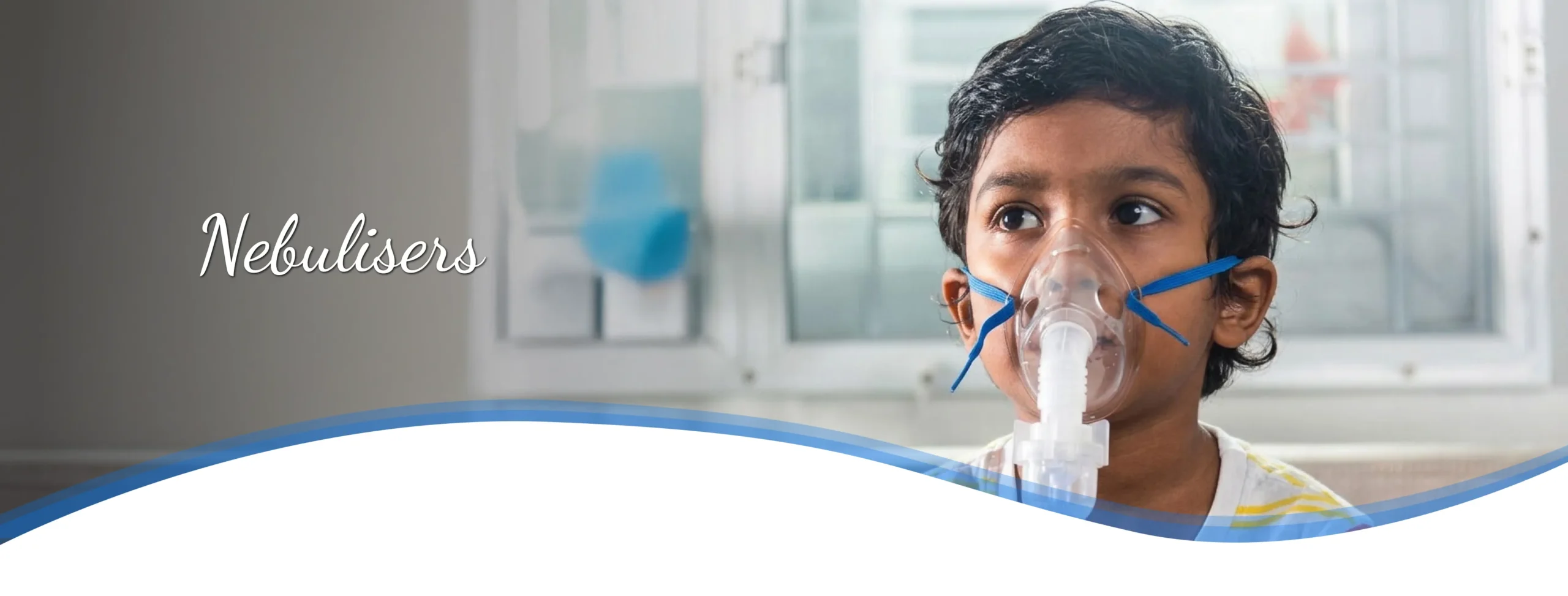
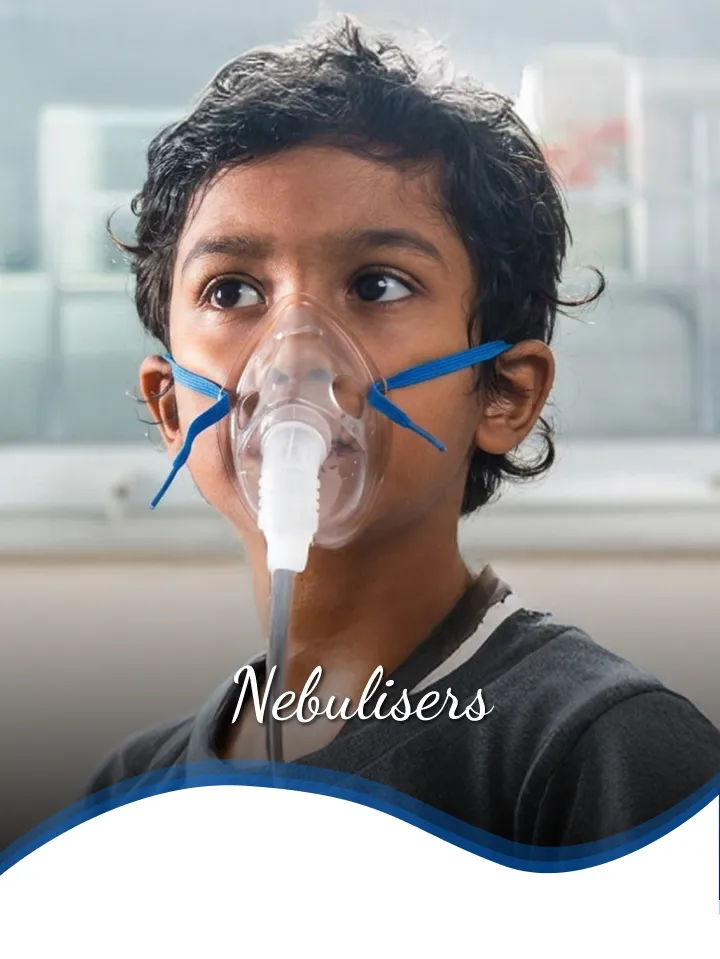
Nebulisation is a process that transforms liquid medications into a fine aerosol or mist, allowing them to be delivered directly into the respiratory system through inhalation. This method is widely applied in treating both acute and chronic respiratory conditions like Asthma and COPD (Chronic Obstructive Pulmonary Diseases).
Types of Nebulizers
Liquid medication can be transformed into an aerosolized form through various mechanisms or types of nebulisers which are categorised into the following types:
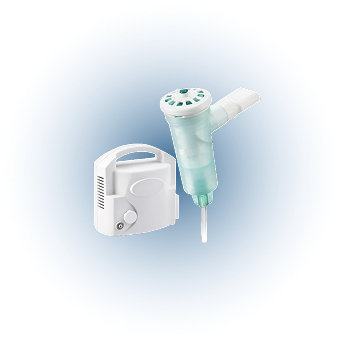
Jet Nebulisers
- Cost-effective
- Compatible with various types of liquid medications.
- Limited portability.
- Inconsistent aerosol output.
- Setup may be challenging for patients with physical or cognitive impairments.
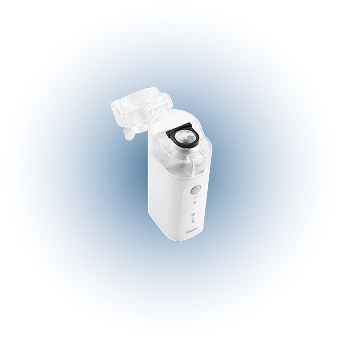
Mesh Nebulisers
- Mesh nebulisers generally produce more aerosol and deposit more medication in the lungs compared to jet nebulisers, both per unit of time and total lung deposition.
- They operate with greater efficiency, enabling the administration of higher drug doses to patients.
- Mesh nebulisers are quick, quiet, and portable, equipped with self-contained power sources.
- Relatively more expensive as compared to jet nebulisers.
- Cleaning can be challenging.
- Medication dosage may require adjustment.
- Not suitable for viscous liquids or those prone to crystallisation on drying.
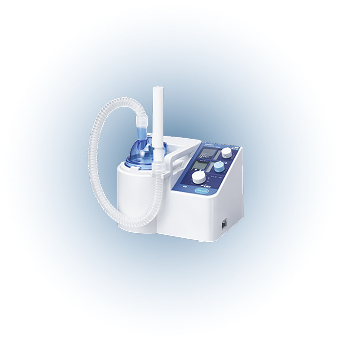
Ultrasonic Nebulisers
- Ideal for nebulising large volumes, such as administering hypertonic saline for sputum inductions.
- Tend to have large residual volumes.
- Hard to use with viscous solutions.
- Not recommended for suspensions and proteins due to heat sensitivity.
Steps to use your Nebuliser
Cleaning your inhaler once a week is a smart practice, even if you can’t see any medicine buildup. This keeps your inhaler from getting clogged and ensures it works properly. The key rule is to never wash or submerge the metal canister in water; only the plastic parts should be cleaned. While your inhaler will include specific cleaning instructions, here are the main steps to clean it.
1
Clean your hands: Make sure your hands are thoroughly washed before touching the nebuliser components.
2
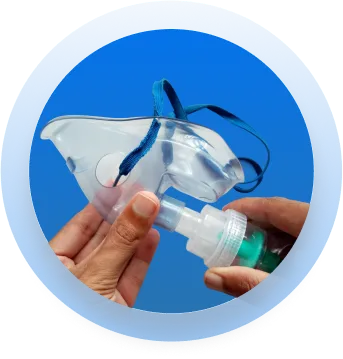
Assemble the nebuliser: Follow the instructions to put together the nebuliser machine, medicine cup, tubing, and the mask or mouthpiece as indicated.
3
Load the medicine cup: Put the recommended amount of medicine into the nebuliser cup.
4
Mouthpiece or the mask: When using a mouthpiece, place it securely in your mouth, closing your lips tightly around it for a firm seal. For children using a mask, make sure it fits snugly over their nose and mouth.
5
Activate the nebuliser: Switch on the nebuliser machine. Watch for a light mist to come out from the tube near the mouthpiece or the mask.
6
Breathe normally: Breathe in steadily through your mouth while the medication cup empties, or until the mist stops. This usually takes about 10 minutes.
7
Turn off the machine: After the nebuliser has delivered the medication, take the mouthpiece out of your mouth (or remove your child’s mask) and turn off the machine.
8
Rinse (if necessary): After using an inhaled corticosteroid, rinse your mouth (or your child’s mouth) with water and then spit it out to prevent mouth infections. If a mask is used, make sure to wash your child’s face as well.