



चक्कर आना, जिससे बेहोशी हो सकती है

आवाज़ बैठना

सूखी खांसी या खांसी के साथ खून आना

सांस लेने में तकलीफ

मतली और उल्टी


सांस छोड़ते समय सीटी जैसी आवाज आना

कमज़ोरी

थकान

पेट, पैरों या टखनों में सूजन

सीने में दर्द
चक्कर आना, जिससे बेहोशी हो सकती है
कमज़ोरी
आवाज़ बैठना
थकान
सांस लेने में तकलीफ
पेट, पैरों या टखनों में सूजन
सूखी खांसी या खांसी के साथ खून आना
सीने में दर्द
मतली और उल्टी
सांस छोड़ते समय सीटी जैसी आवाज आना

मेडिकल समस्या
बाएँ हृदय के रोग
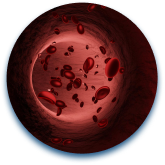
सूजन की समस्या
हृदय और रक्त वाहिकाओं की अन्य बीमारियाँ जैसे जन्मजात (आनुवंशिक) हृदय दोष
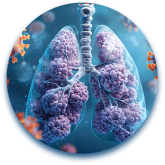
सांसों से जरिए कुछ चीजें अंदर जाना
फेफड़े की बीमारियाँ जैसे सीओपीडी, आईएलडी, वातस्फीति (एम्फिसीमा), या स्लीप एपनिया

एलर्जिक रिएक्शन
अन्य चिकित्सीय स्थितियां जैसे यकृत रोग, सिकल सेल रोग, फेफड़ों में रक्त के थक्के, या संयोजी ऊतक विकार

आयु
पल्मोनरी हाइपरटेंशन (Pulmonary Hypertension) किसी भी उम्र में हो सकता है, लेकिन बढ़ती उम्र के साथ इसका जोखिम बढ़ जाता है।

पर्यावरण
यदि आप एस्बेस्टस (Asbestos) के संपर्क में रहे हैं या परजीवियों (Parasites) से होने वाले कुछ संक्रमणों से प्रभावित हैं, तो आपको पल्मोनरी हाइपरटेंशन (Pulmonary Hypertension) का जोखिम अधिक हो सकता है।

पारिवारिक इतिहास और आनुवंशिक कारण।

धूम्रपान और नशीले पदार्थों का सेवन जैसी अस्वस्थ जीवनशैली की आदतें।

दवाएँ
कैंसर और अवसाद (Depression) के इलाज में उपयोग की जाने वाली कुछ निर्धारित दवाएं पल्मोनरी हाइपरटेंशन (Pulmonary Hypertension) के जोखिम को बढ़ा सकती हैं।

यह पुरुषों की तुलना में महिलाओं में अधिक आम है।
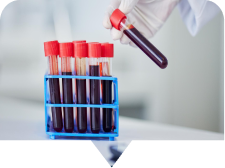
ब्लड टेस्ट

हृदय की इमेजिंग जांच, जैसे कार्डियक एमआरआई (Cardiac MRI)

लंग इमेजिंग टेस्ट जैसे चेस्ट एक्स-रे

ईसीजी (ECG) या ईकेजी (EKG) आपके हृदय की विद्युत गतिविधि में होने वाले बदलावों का पता लगाने में मदद करता है।