

Dizziness that may lead to fainting

Hoarseness

Coughing that is dry or produces blood

Shortness of breath

Nausea and vomiting


Wheezing, which is a whistling sound when you breathe out

Weakness

Fatigue

Swelling of the abdomen, legs, or feet

Chest Pain
Dizziness that may lead to fainting
Weakness
Hoarseness
Fatigue
Shortness of breath
Swelling of the abdomen, legs, or feet
Coughing that is dry or produces blood
Chest Pain
Nausea and vomiting
Wheezing, which is a whistling sound when you breathe out
Medical Conditions
Left heart diseases
Inflammatory Condition
Other heart and blood vessel diseases such as congenital (inherited) heart defects
Inhaling Certain Substances
Lung diseases such as COPD, ILD, emphysema, or sleep apnea
Allergic Reaction
Other medical conditions such as liver disease, sickle cell disease, blood clots in the lungs, or connective tissue disorders

Age
Pulmonary hypertension can occur at any age, but your risk increases as you get older.

Environment
You may be at an increased risk of pulmonary hypertension if you have or are exposed to Asbestos or certain infections caused by parasites

Family history and genetics

Unhealthy lifestyle habits such as smoking and illegal drug use

Medicines
Some prescribed medicines used to treat cancer and depression may increase your risk of pulmonary hypertension

More common in women than men
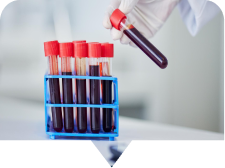
Blood tests
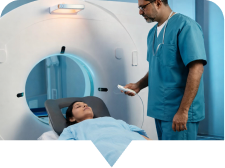
Heart Imaging tests such as cardiac MRI

Lung Imaging tests such as chest X-ray
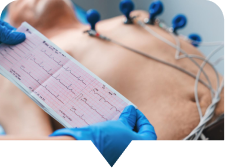
ECG or EKGlooks for changes in the electrical activity of your heart.