
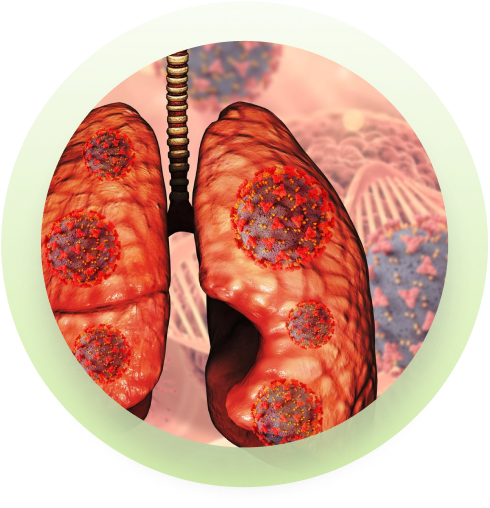
What is Interstitial Lung Disease?1
The damage is usually irreversible and tends to worsen progressively.1
What happens if you have ILD?2
The areas of your lungs responsible for oxygen transfer to your blood and tissues become damaged
This scarring can make breathing difficult and lead to a persistent cough
Reduced oxygen levels often result in constant fatigue
It can lead to severe complications, such as lung infections and respiratory failure, where your body lacks sufficient oxygen or accumulates excess carbon dioxide
Key Symptoms of Interstitial Lung Disease2,3
Because these symptoms are similar to other heart or lung problems, diagnosis may take time.

Shortness of Breath

Dry Cough

Extreme tiredness

Chest Discomfort

Shortness of Breath

Dry Cough

Key Symptoms

Extreme tiredness

Chest Discomfort
Types of Interstitial Lung Disease
Numerous types of ILDs can be triggered by factors such as genetics, lifestyle habits, environmental exposures, medications or other medical conditions.3

Idiopathic pulmonary fibrosis (IPF)
Most common type of ILD with no known cause
Childhood ILDs
Can have the same or different causes as ILDs in adults

Asbestos-related lung diseases and hypersensitivity pneumonitis
Exposure to dust or mold in your environment can cause some ILDs

Causes of Interstitial Lung Disease
ILD can be caused by various factors, including airborne toxins in the workplace, medications, and certain medical treatments. Often, the specific causes remain unidentified.4

Medical Conditions
Rheumatoid arthritis Scleroderma 2,4
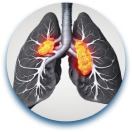
Inflammatory Condition
Sarcoidosis 2,4

Inhaling Certain Substances
Asbestos Silica Grain dust 2,4

Allergic Reaction
Inhaling molds Fungi Bacteria Bird droppings 2,4

By Treatments
Chemotherapy drugs (e.g., methotrexate)
Heart medications
(e.g., amiodarone)
Certain antibiotics
(e.g., nitrofurantoin)4

Risk Factors2

>70 years of age

Past or current smokers

Have a history of certain illnesses, like TB, pneumonia, and COPD or chest radiation
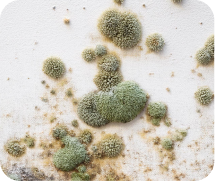
Work around substances that can irritate your lungs, like asbestos, silica, molds, fungi or bacteria

Diagnosis of Interstitial Lung Disease

Blood tests

Test to measure your lung function

Lung Imaging tests such as chest X-ray
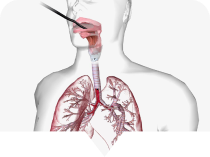
Bronchoscopy

Biopsy
Managing Interstitial Lung Disease 1,2,3
References:
- American Lung Association. Interstitial Lung Disease. Available from: https://www.lung.org/lung-health diseases/lung-disease-lookup/interstitial-lung-disease#:~:text=Interstitial%20lung%20disease%20(ILD)%20is A Accessed on 20 February 26.
- Cleveland Clinic. Interstitial lung disease. Available from: https://my.clevelandclinic.org/health/diseases/17809 interstitial-lung-disease Accessed on 20 February 26.
- National Heart, Lung, and Blood Institute (NHLBI), National Institutes of Health (NIH). What Are Interstitial Lung Diseases? Available from: https://www.nhlbi.nih.gov/health/interstitial-lung-diseases Accessed on 20 February 26.
- Mayo Clinic. Interstitial lung disease – Symptoms and causes [Internet]. Available from: https://www.mayoclinic.org/diseases-conditions/interstitial-lung-disease/symptoms-causes/syc-20353108 Accessed on 20 February 26.